
Eliminating Phantom Agents to Streamline Global Germplasm Exchange

The Problem
Global agriculture depends on the movement of clean plant materials, but outdated pathogen lists create unnecessary barriers. Phantom agents are suspected pathogens that have been reported in scientific literature going back to the early 1900s with no real evidence they exist. Most of these phantom agents were described before modern molecular techniques, and there are no samples or genome sequences available to study them. Despite the lack of evidence of their existence, the suspected pathogens are present in many international regulations that control the shipment of plant materials. The result is a confusing mix of real and phantom agents on regulatory lists that must be ruled out by the sender before plants can be shipped from country to country.
The Work
Ioannis Tzanetakis, Professor of Plant Virology and Director of the Arkansas Clean Plant Center, led a global effort to address this issue. Over the course of several years, he led an effort with over 180 scientists from more than 40 countries to review relevant literature in their areas of expertise in search of these phantom agents.
The Results
Collectively, the researchers compiled a list of 120 phantom agents that still appear on regulated pathogen lists even though there is no way to accurately test for them. The scientists recommended that phantom agents and diseases be removed from regulatory lists based on the inability to access diseased plant material examples for their identification. Advanced tools like high-throughput sequencing, or HTS, now allow for the detection of real pathogens, making the phantom agents obsolete. HTS is a scientific method that allows researchers to quickly sequence DNA from many samples simultaneously.
The Value
By removing phantom agents from regulations, this project aims to streamline global germplasm exchange and reduce unnecessary testing. Simplified regulatory lists can improve crop production and ensure that farmers have access to high-quality, disease-free plants without unnecessary obstacles.
Read the Research
Streamlining Global Germplasm Exchange: Integrating Scientific Rigor and Common Sense to Exclude Phantom Agents from Regulation
Plant Disease
Vol. 109, No. 4 (2024)
https://doi.org/10.1094/PDIS-04-24-0745-FE
About the Researcher
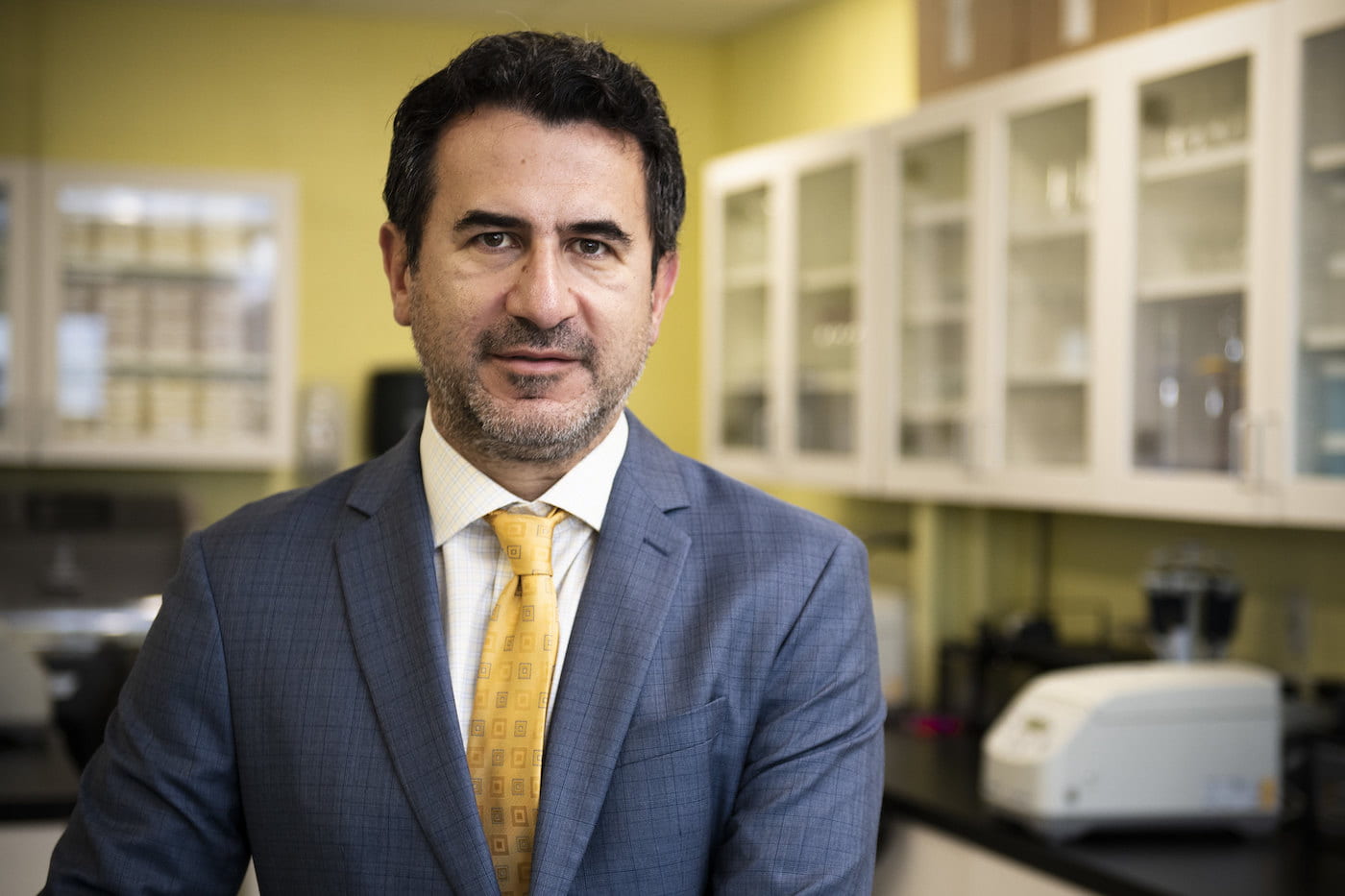
Ioannis Tzanetakis
Professor of Plant Virology and Director of the Arkansas Clean Plant Center
Ph.D. in Molecular Biology, Oregon State University, Corvallis
B.S. in Soil Science and Agricultural Chemistry, Agricultural University of Athens
Other Collaborators
Tzanetakis and the Arkansas Clean Plant Center led the project, which involved a team of 185 agricultural scientists from more than 40 countries. In addition to Tzanetakis, the corresponding authors for the study included: J. Špak of the Czech Academy of Sciences Biology Centre in the Czech Republic; F. Constable of Agriculture Victoria Research in the Department of Energy, Environment and Climate Action in Australia; S.J. Harper of Washington State University’s department of plant pathology; J. Hammond of Floral and Nursery Plants Research at the U.S. National Arboretum; and T. Candresse of the Université de Bordeaux in France.
More Research Highlights


